can i do intermittent fasting long term Fasting mindy pelz intermittent autophagy benefit sevenponds drmindypelz fasts purposes
Intermittent fasting has gained significant popularity in recent years as a lifestyle choice for improving health and promoting weight loss. With its numerous benefits and growing body of evidence, it’s no wonder why many people are now embracing this approach to eating. In this post, we will explore the concept of intermittent fasting, its potential health benefits, and how you can incorporate it into your daily routine. Intermittent fasting, as the name suggests, involves alternating periods of fasting with periods of eating. This eating pattern does not focus on what you eat but rather when you eat. There are different variations of intermittent fasting, but the most common ones include the 16/8 method, where you fast for 16 hours and have an 8-hour eating window, and the 5:2 method, where you fast for two days per week and eat normally on the other five days. One of the key benefits of intermittent fasting is weight loss. By restricting your eating window, you naturally reduce your caloric intake, which can lead to a calorie deficit and subsequent weight loss. Additionally, studies have shown that intermittent fasting can boost your metabolism, increase fat burning, and preserve lean muscle mass, resulting in a more efficient and sustainable weight loss journey. Beyond weight loss, intermittent fasting has been linked to numerous health benefits. It may improve insulin sensitivity, reduce inflammation, and lower blood pressure and cholesterol levels. These effects can have a profound impact on overall cardiovascular health and may even reduce the risk of chronic diseases such as type 2 diabetes and heart disease. Furthermore, intermittent fasting has been found to promote cellular repair processes and increase the production of brain-derived neurotrophic factor (BDNF). BDNF is a protein that plays a crucial role in promoting the growth and survival of brain cells, which can improve cognitive function and protect against neurological disorders like Alzheimer’s disease. Now, let’s dive into some practical tips for incorporating intermittent fasting into your daily routine. Remember, it’s essential to consult with a healthcare professional before making any significant changes to your diet or lifestyle. Firstly, start slow and gradually increase the fasting duration. If you are new to intermittent fasting, consider starting with the 16/8 method and gradually work your way up to longer fasting periods if desired. During the fasting period, it’s important to stay hydrated and consume calorie-free beverages such as water, black coffee, or herbal tea. These liquids can help curb hunger pangs and keep you energized throughout the day. When it comes to breaking your fast, focus on consuming nutrient-dense foods that are rich in vitamins, minerals, and antioxidants. Opt for whole grains, lean proteins, fruits, vegetables, and healthy fats to nourish your body. Now, let’s delve into some delicious recipe ideas that can complement your intermittent fasting journey: 1. Avocado and Egg Breakfast Bowl - h2: Avocado and Egg Breakfast Bowl - img: [Image of Avocado and Egg Breakfast Bowl] - p: Start your day with this satisfying and nutritious breakfast bowl. The creamy avocado paired with protein-packed eggs will keep you satiated until your next meal. 2. Mediterranean Quinoa Salad - h2: Mediterranean Quinoa Salad - img: [Image of Mediterranean Quinoa Salad] - p: Whip up this vibrant salad packed with quinoa, fresh vegetables, feta cheese, and a tangy lemon vinaigrette. It’s light, refreshing, and perfect for a quick and nourishing lunch. 3. Grilled Salmon with Roasted Vegetables - h2: Grilled Salmon with Roasted Vegetables - img: [Image of Grilled Salmon with Roasted Vegetables] - p: Indulge in a satisfying dinner with this flavorful combo of grilled salmon and roasted vegetables. The omega-3 fatty acids in salmon offer numerous health benefits, while the roasted veggies add a burst of flavor and essential nutrients. As you embark on your intermittent fasting journey, it’s essential to listen to your body and make adjustments as needed. Everyone’s body is unique, and what works for one person may not work for another. Pay attention to your hunger cues, energy levels, and overall well-being. In conclusion, intermittent fasting is an approach to eating that involves alternating periods of fasting and eating. With its potential health benefits, including weight loss, improved insulin sensitivity, and enhanced cognitive function, intermittent fasting has become a popular choice for many individuals. By following a structured fasting and eating schedule and incorporating nutrient-dense meals into your diet, you can reap the rewards of intermittent fasting and embark on a journey toward better health and well-being.
If you are looking for Intermittent Fasting for Health - Dr. Betsy Rice, ND you’ve visit to the right place. We have 5 Pictures about Intermittent Fasting for Health - Dr. Betsy Rice, ND like Can I Do Intermittent Fasting - FastingTalk.net, How Long Should You Fast? and also Can I Do Intermittent Fasting - FastingTalk.net. Here you go:
Intermittent Fasting For Health - Dr. Betsy Rice, ND
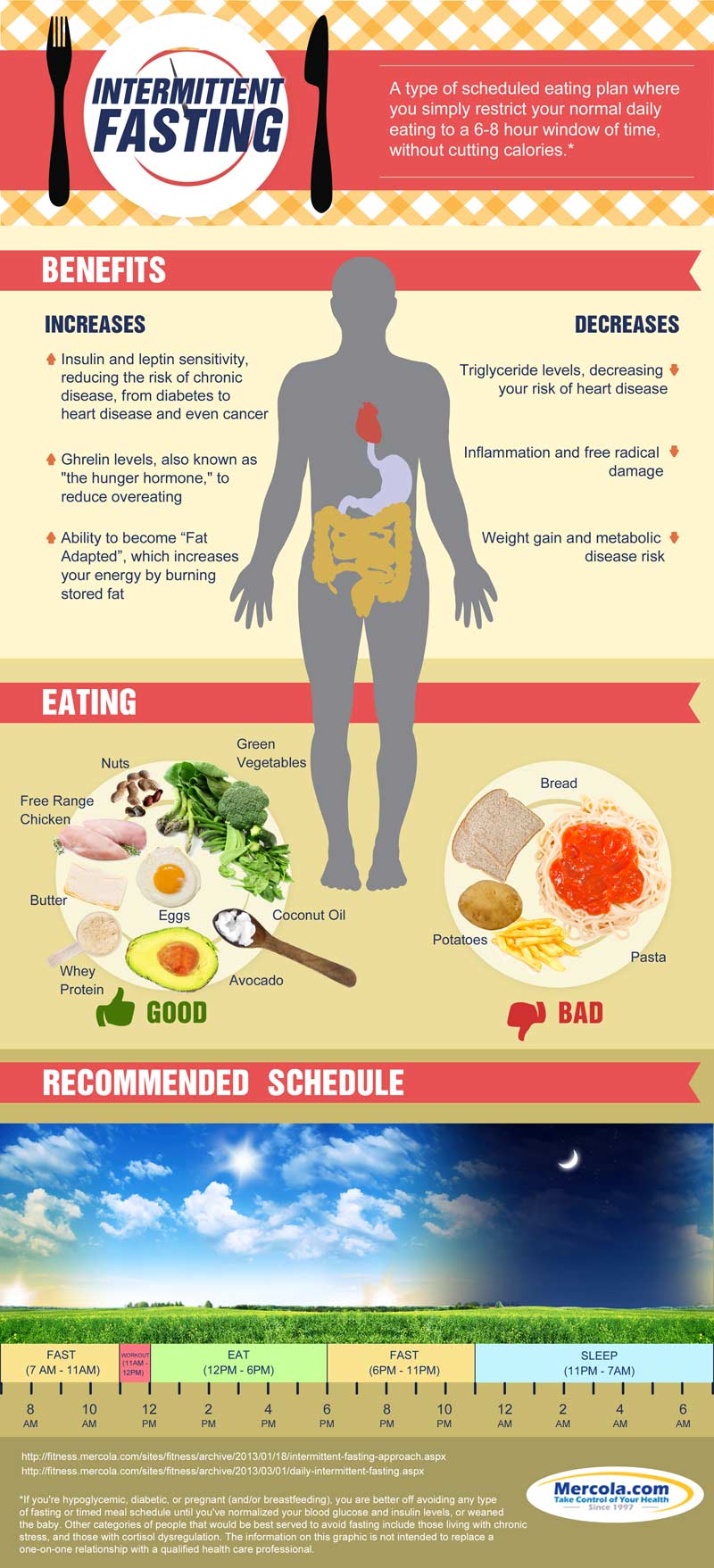 www.drbetsyrice.comfasting intermittent health dr
Intermittent Fasting: How Interval Fasting Works | Women’s Alphabet
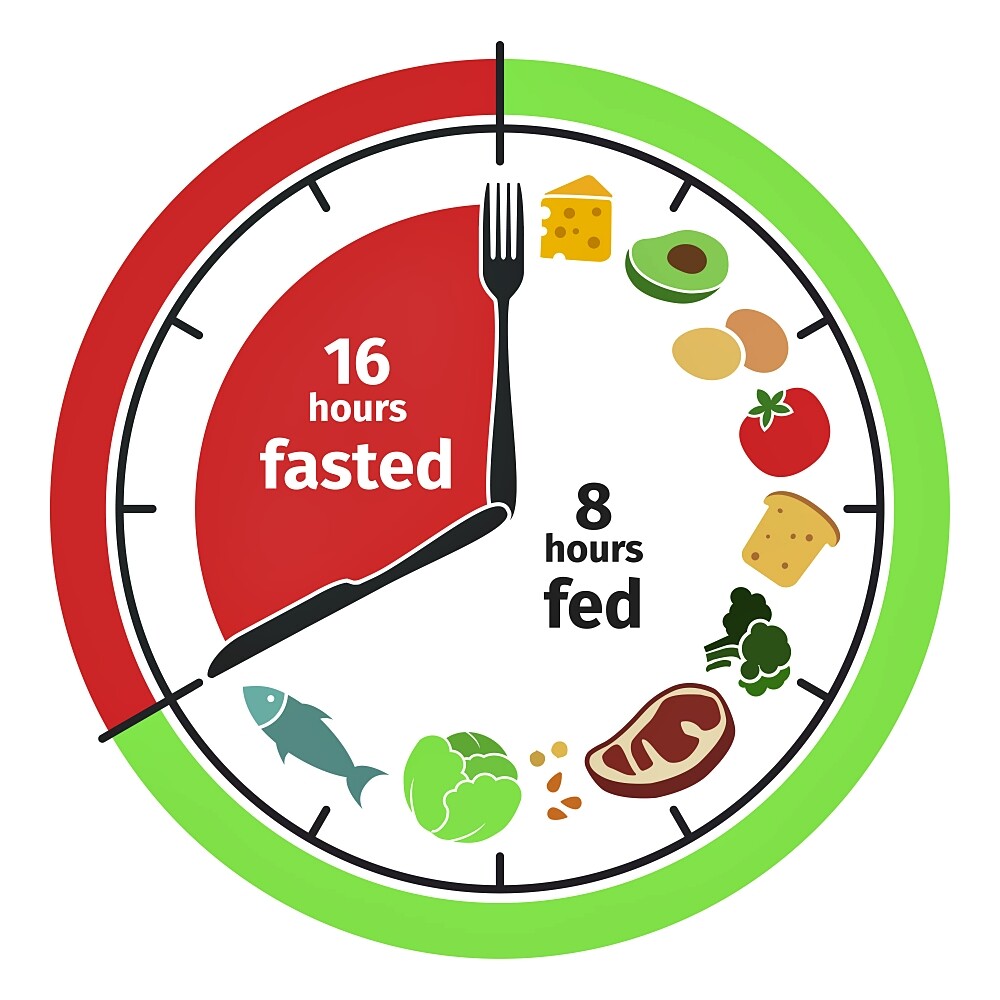 www.womensalphabet.comfasting intermittent interval works diet without explain lose strict those weight want right just who
How Long Can I Do Intermittent Fasting | Dos And Don’ts Of Fasting
 thedrjoe.comintermittent fasting
How Long Should You Fast?
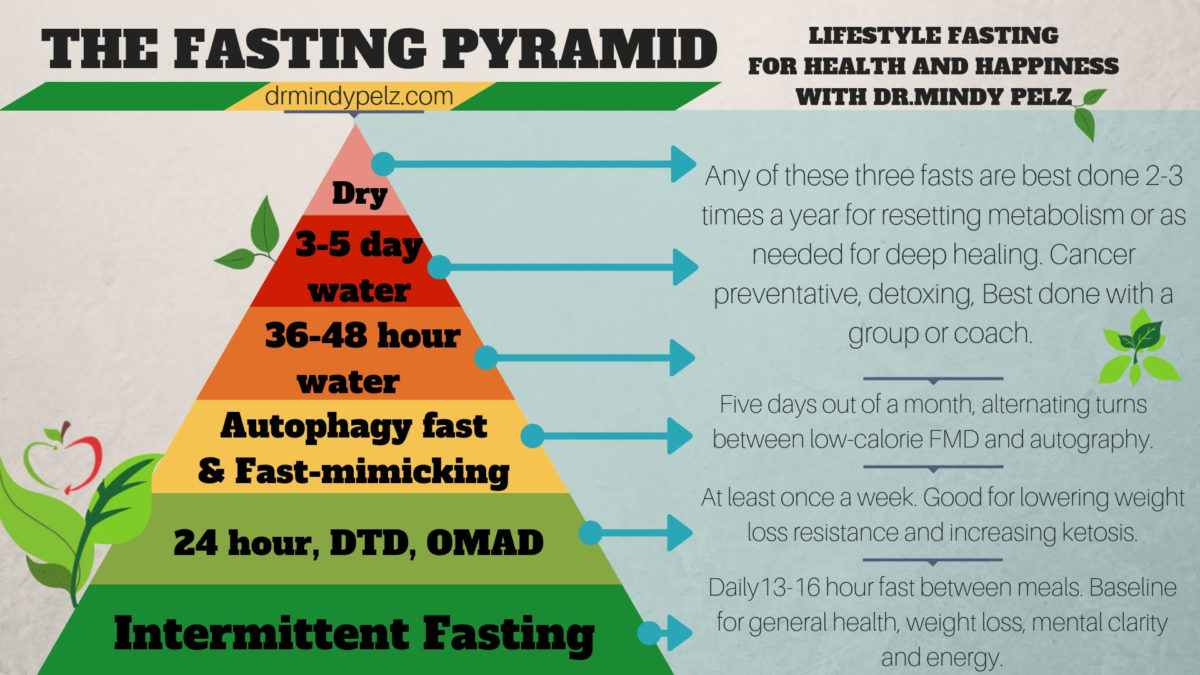 drmindypelz.comfasting mindy pelz intermittent autophagy benefit sevenponds drmindypelz fasts purposes
Can I Do Intermittent Fasting - FastingTalk.net
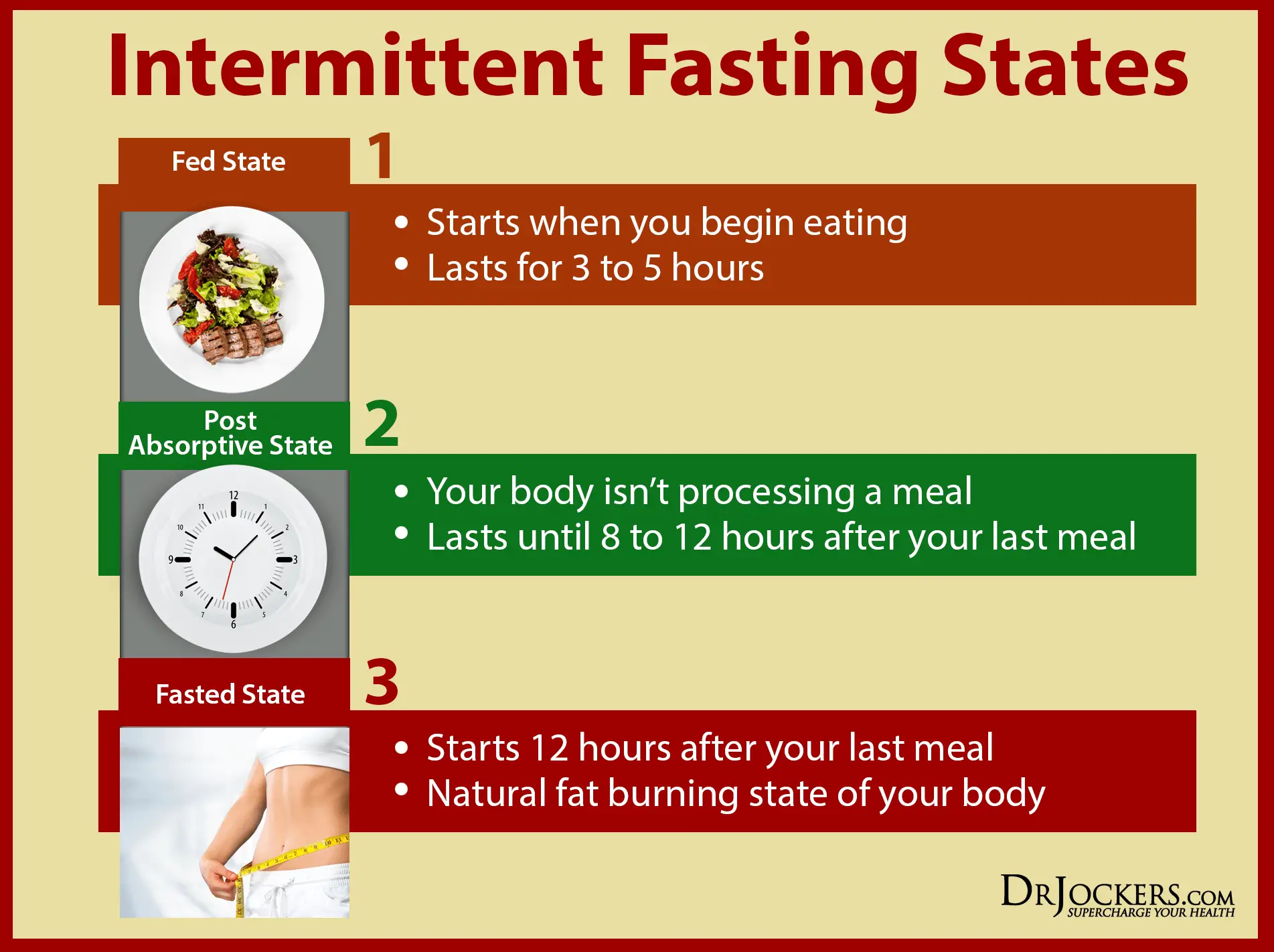 www.fastingtalk.netFasting mindy pelz intermittent autophagy benefit sevenponds drmindypelz fasts purposes. Intermittent fasting. Fasting intermittent health dr